Skip to content
Premium Gutter Installation in North Carolina










A leaf guard sitting atop a broken gutter is just expensive camouflage. It can’t fix undersized capacity or downspouts. Guards can hide the real issue underneath instead of solving it. Wize Home Services treats gutters, leaf protection, downspouts, and roof runoff as a single system when installing new drainage in NC, not as separate purchases pasted together. The goal isn’t simply blocking leaves. It’s moving water away from your house while cutting down on blockages and failure points.

Replacement Starts With the Existing System
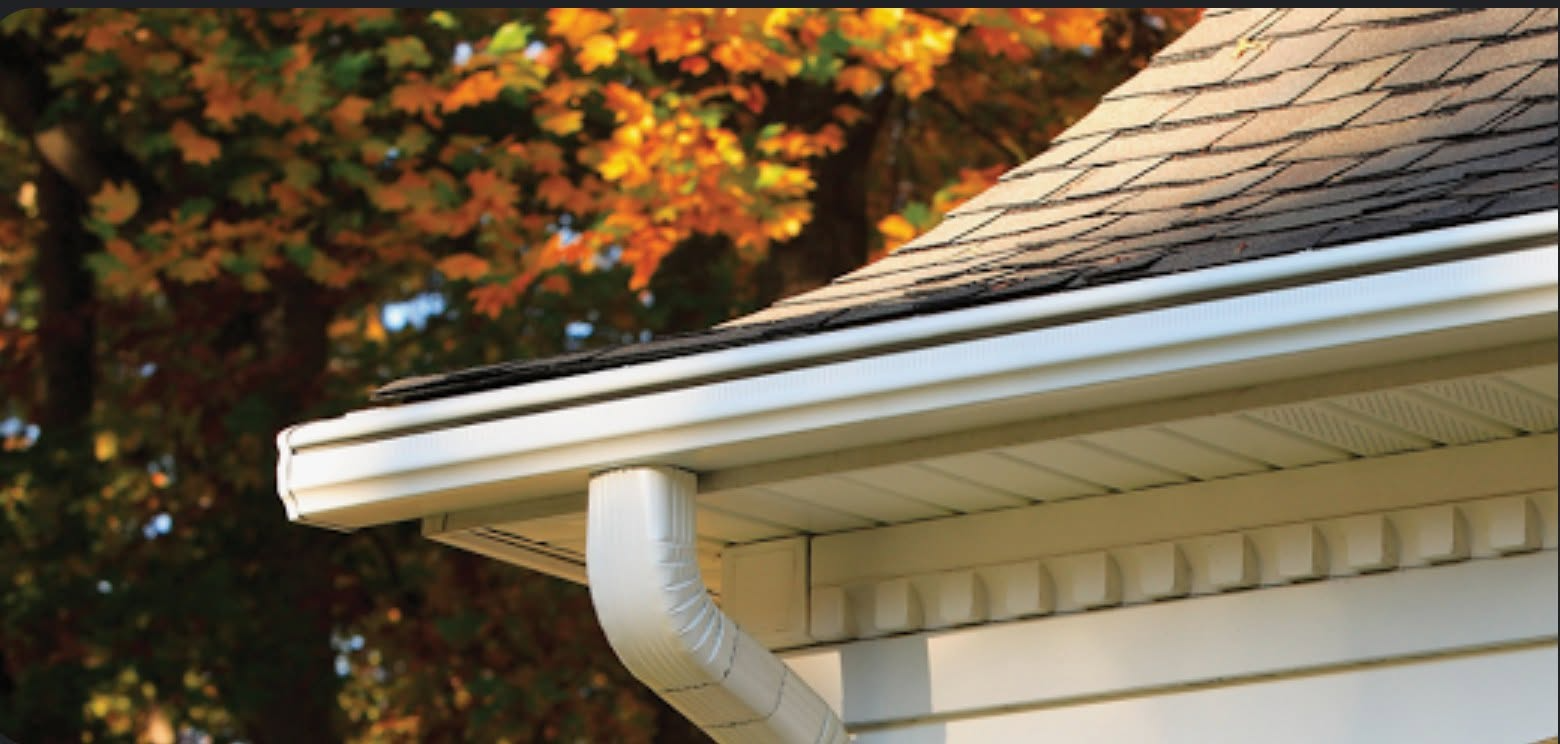
Sagging gutters do not always need replacement. A small repair, corrected pitch, or better outlet placement may be enough when the system is still sound. Replacement becomes the better choice when gutters have widespread sagging, corrosion, leaking seams, repeated overflow, or damaged fascia.
Before adding guards or making upgrades, make sure the existing gutters are worth keeping. Installing new components on a failing system usually means paying twice later.
Leaf Guards Need to Match the Debris
Gutter sizing should match the roof, not a default template. Steep slopes, long runs, and valleys can send heavy runoff into small sections during storms. A proper gutter installation in NC considers roof area, pitch, valleys, outlet placement, and downspout capacity before sizing the system. Outlets should go where water naturally concentrates.
Fascia Needs to Be Ready for New Gutters
Gutter guards should match the debris around the home. Leaves, pine needles, seeds, pollen, and roof grit behave differently, so one screen type will not suit every property. Larger openings handle leaves well but let finer debris through.
Fine mesh blocks smaller material but can collect buildup on top, especially near valleys where water and debris hit with more force. The best gutter protection reduces cleaning without restricting water flow during heavy rain.
How your home actually gets fixed right.
From the first estimate through continued support, each stage has an owner and a clear next step.
Free Estimate
A real person walks the property and provides an honest written estimate before anything is scheduled.
Plan, Permit, Prep
Permits, structural filings, materials and timelines are coordinated before work begins.
Build & Walk the Job
The team manages the work and keeps you updated through completion and walkthrough.
Still Here After
Wize remains accountable after the job is done, including service support beyond the original warranty when needed.
Pitch Controls How Water Moves
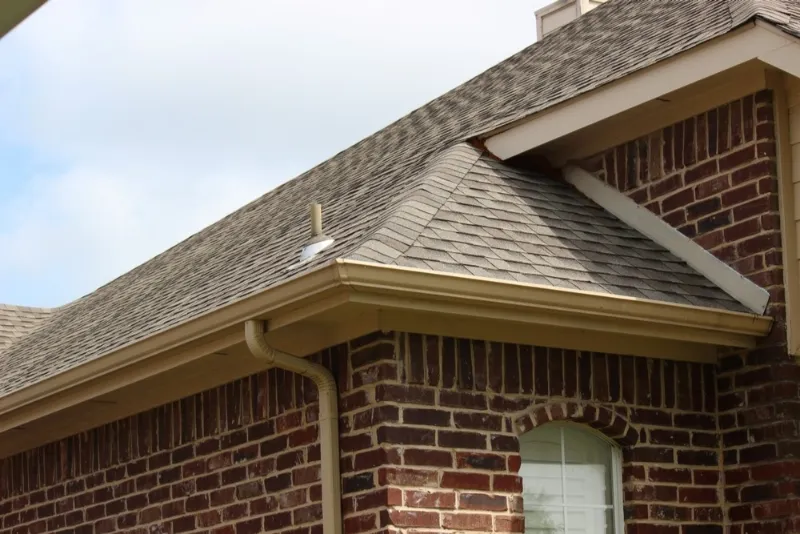
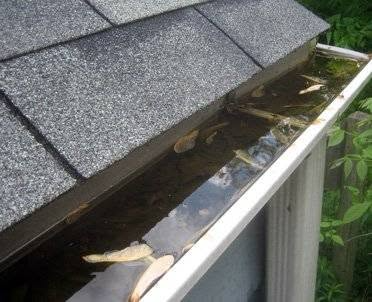
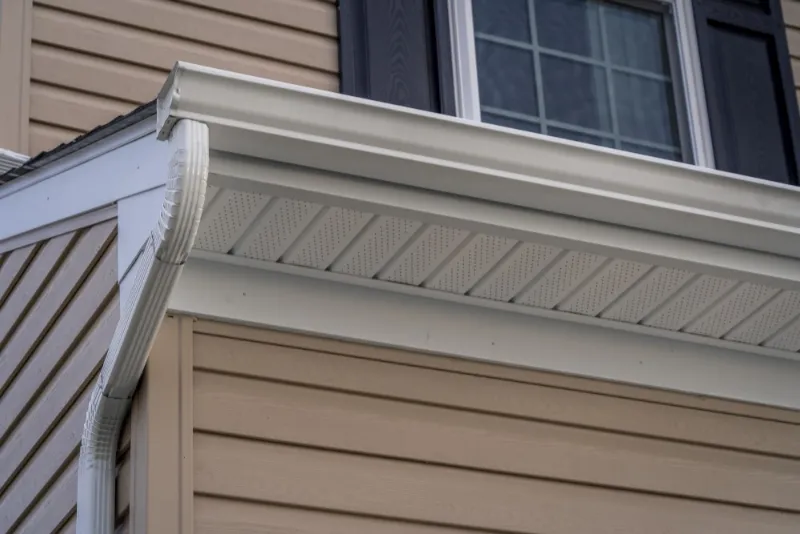
Fascia gives gutters the solid attachment they need. When it is soft, rotted, or water-damaged, fasteners can loosen, sections can sag, and the system may pull away from the roof edge. Staining or dark spots can also point to previous moisture or overflow problems. A sound mounting surface helps keep the system properly supported.
Downspouts Need Enough Capacity
Gutters need enough pitch to move water toward the downspouts. Too little leaves standing water, sediment, added weight, and eventually sagging. Too much visible slope can hurt the roofline without solving drainage as effectively as proper outlet placement. Some homes also need water directed toward different outlets along the same elevation.
Leaf Guards Should Be Installed With Service Access
Gutters only work if downspouts can move water out fast enough. An oversized gutter can still overflow when the outlet is too small, too far from a high-flow valley, or expected to handle runoff from several roof sections. Downspout placement should follow where water enters the gutter most heavily.
Heavy Rain Is the Real Performance Test
Gutter guards reduce debris, but they do not make gutters maintenance-free. Fine material can still collect, storm debris can build up on top, and downspouts may restrict flow below the guard. Guards should be installed so the system remains easy to inspect and service, especially on multi-story homes or steep properties. The goal is fewer cleanings without sacrificing access or drainage when maintenance is needed.
Heavy Rain Is the Real Performance Test
Gutter guards reduce debris, but they still need occasional inspection. Fine particles can collect, storm debris may sit on top, and downspouts can still clog below the guard. The system should stay accessible for future service, especially on multi-story homes or steep lots. Good gutter protection cuts cleaning without making the gutters harder to inspect, maintain, or keep flowing properly.
Replace Gutters Before They Damage More Than Trim
The proof is in the projects.
Use actual Wize work here to show the full range: roofs, siding, windows, decks, interiors and larger whole-property projects.
Why North Carolina homeowners trust Wize.
An A+ BBB rating and 100+ years of combined industry experience tell part of the story. The rest comes from homeowners who remember that Wize answered the phone, kept them informed, respected their property and followed through.


Why Choose Wize Home Services
Gutters and Guards Are Planned Together
Wize Home Services plans gutters and runoff as one drainage system. This helps uncover flow or structural issues before gutter guards hide the symptoms.
Replacement Decisions Start With Condition
Old gutters do not always need full replacement. Pitch, joints, and overall condition help determine what can still be repaired.
High-Flow Areas Get Individual Attention
Roof valleys concentrate runoff, so nearby gutter sections often need more capacity. Outlet placement should follow these high-flow areas instead of using the same layout across the entire roofline.
Completed Exterior Work Can Be Reviewed
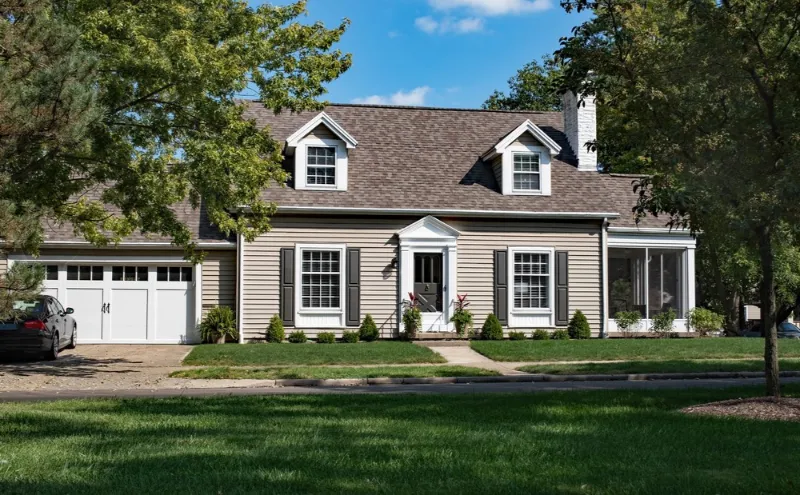
Homeowners can review Past Work before choosing their own gutter setup. Previous exterior projects can help show how new gutters, guards, roofing, fascia, and siding work together visually.
Full home remodeling across North Carolina.
One Wize standard follows the team across North Carolina.
Catawba County
North Carolina
Charlotte / Mecklenburg
Charlotte · Huntersville · Matthews · Davidson + more
Asheville / Buncombe
Asheville · Arden · Black Mountain · Weaverville + more
Winston-Salem / Forsyth
Boone / High Country
Boone · Blowing Rock · Banner Elk · West Jefferson + more
Frequently Asked Questions
1. Should leaf guards be installed at the same time as new gutters?
Yes. Planning both together improves compatibility. Gutter size, slope, outlet locations, and debris conditions are considered before guards are installed.
2. How do I know if my gutters need replacement instead of repair?
Constant leaks, damaged fascia connections, corrosion, poor pitch, repeated separation, or multiple failing zones favor replacement. Single problems on otherwise sound systems may just need fixing.
3. Can new gutters stop water from overflowing at roof valleys?
They help when undersizing or poor outlet placement causes the problem. Valleys dump large water volumes fast, so gutter capacity, guard design, and downspout position must work together.
4. Will leaf guards eliminate gutter cleaning?
No system guarantees that. Guards reduce interior debris significantly, but fine particles or surface buildup still need periodic attention. Tree coverage and guard type affect maintenance frequency.
5. How many downspouts should a new gutter system have?
No universal number exists. Roof area, gutter length, pitch, valley count, rainfall, outlet sizing, and ground drainage all affect how many downspouts make sense.
Install the Drainage System as One Complete Upgrade
New gutters and leaf guards work best as one system. Gutter size, pitch, fascia strength, downspout capacity, and guard design all affect how well runoff moves during heavy rain. Wize Home Services coordinates gutter replacement and leaf protection around the actual roofline, helping the system manage both debris and stormwater without relying on a one-size-fits-all setup.