Professional Attic Insulation in Western North Carolina











An attic can be out of sight while affecting nearly every room below it. Thin insulation, empty sections, compressed material, air leaks, or poor coverage can make upstairs rooms harder to cool and winter temperatures less consistent. Wize Home Services provides attic insulation in Western NC for homeowners who want to improve comfort without guessing at the problem. The right approach starts by checking what is already there, where coverage is weak, and how the attic is handling heat and moisture.
More Insulation Is Not Always the First Fix
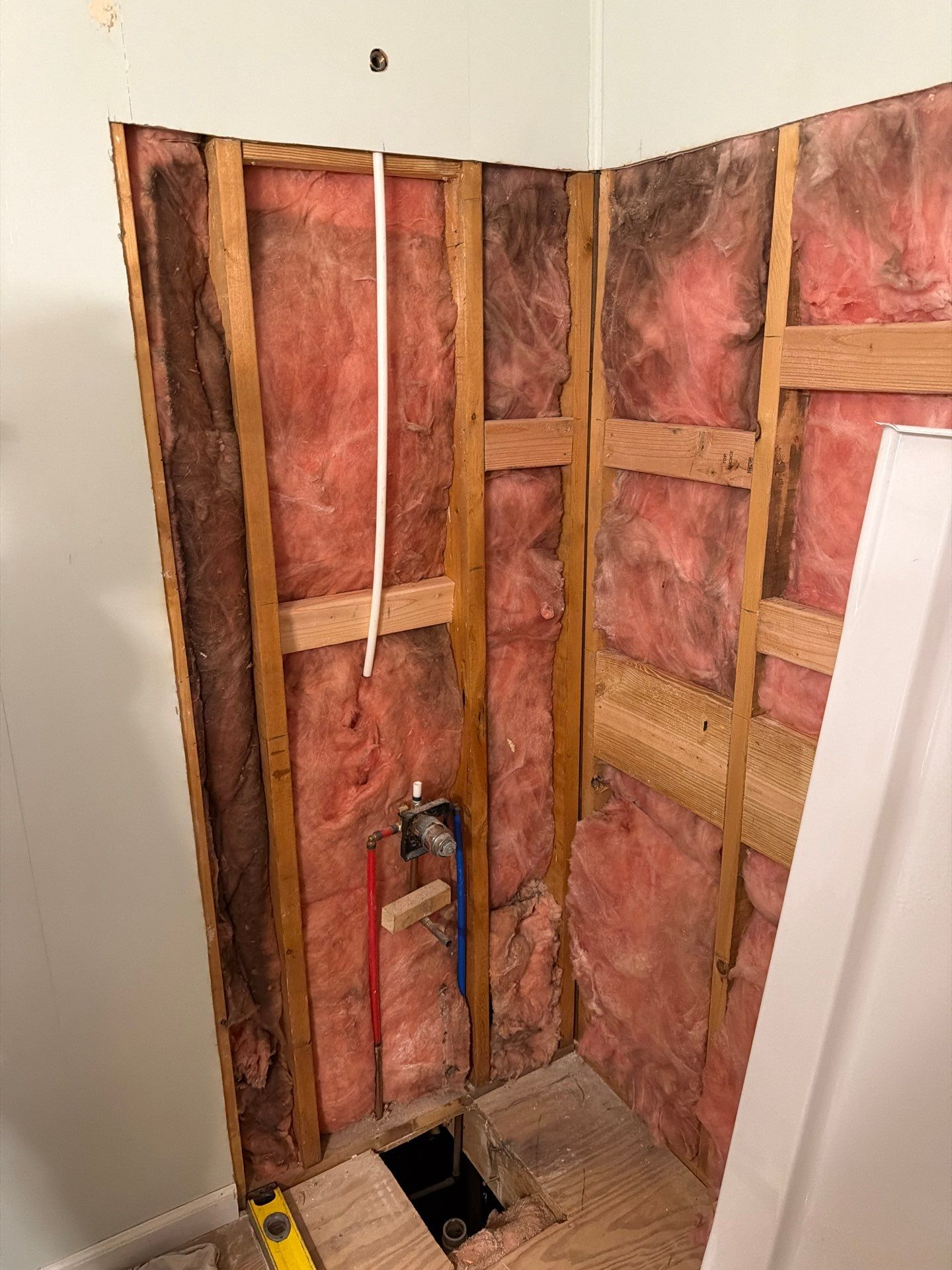
Adding insulation sounds straightforward. Sometimes it is. However, spreading new material over an attic without checking the existing conditions can hide problems instead of correcting them. Insulation slows heat transfer. It does not automatically stop uncontrolled air movement. An attic can contain a large amount of insulation while still performing poorly because air bypasses it through gaps. Wet insulation loses effectiveness and may point toward roof leaks, condensation, or ventilation concerns that should be corrected first.
Blown-In Attic Insulation
Blown-in insulation can work especially well across broad attic floors and irregular spaces. The material can be distributed around framing and across areas where fitting individual batts would be awkward. Blown-in insulation can be useful when an attic already contains older material that remains dry and suitable to keep. New material may be added over the existing layer after air leaks, moisture concerns, and other attic conditions are addressed. Wize Home Services currently includes blown-in insulation among its attic insulation options.
Fiberglass Insulation
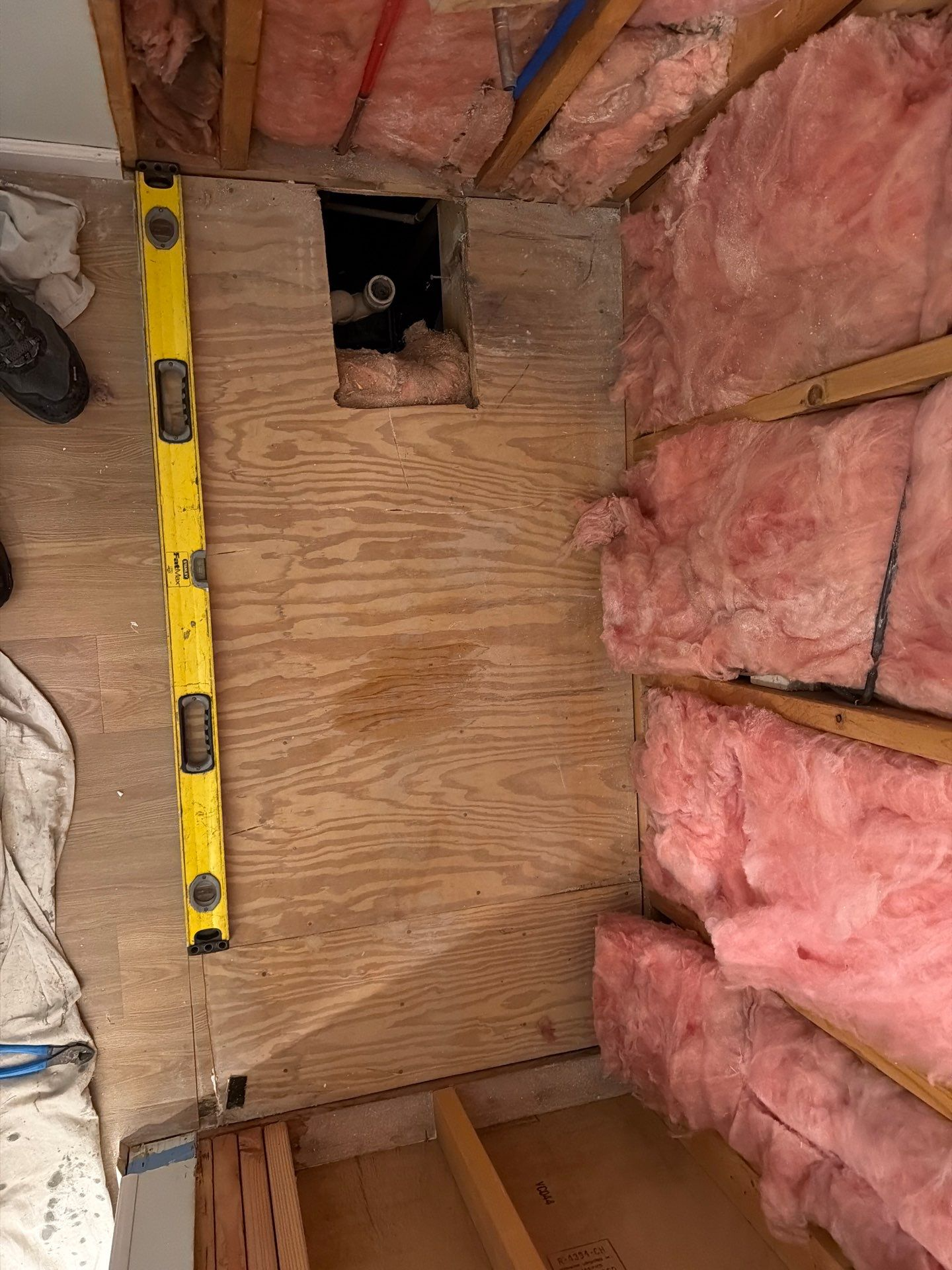
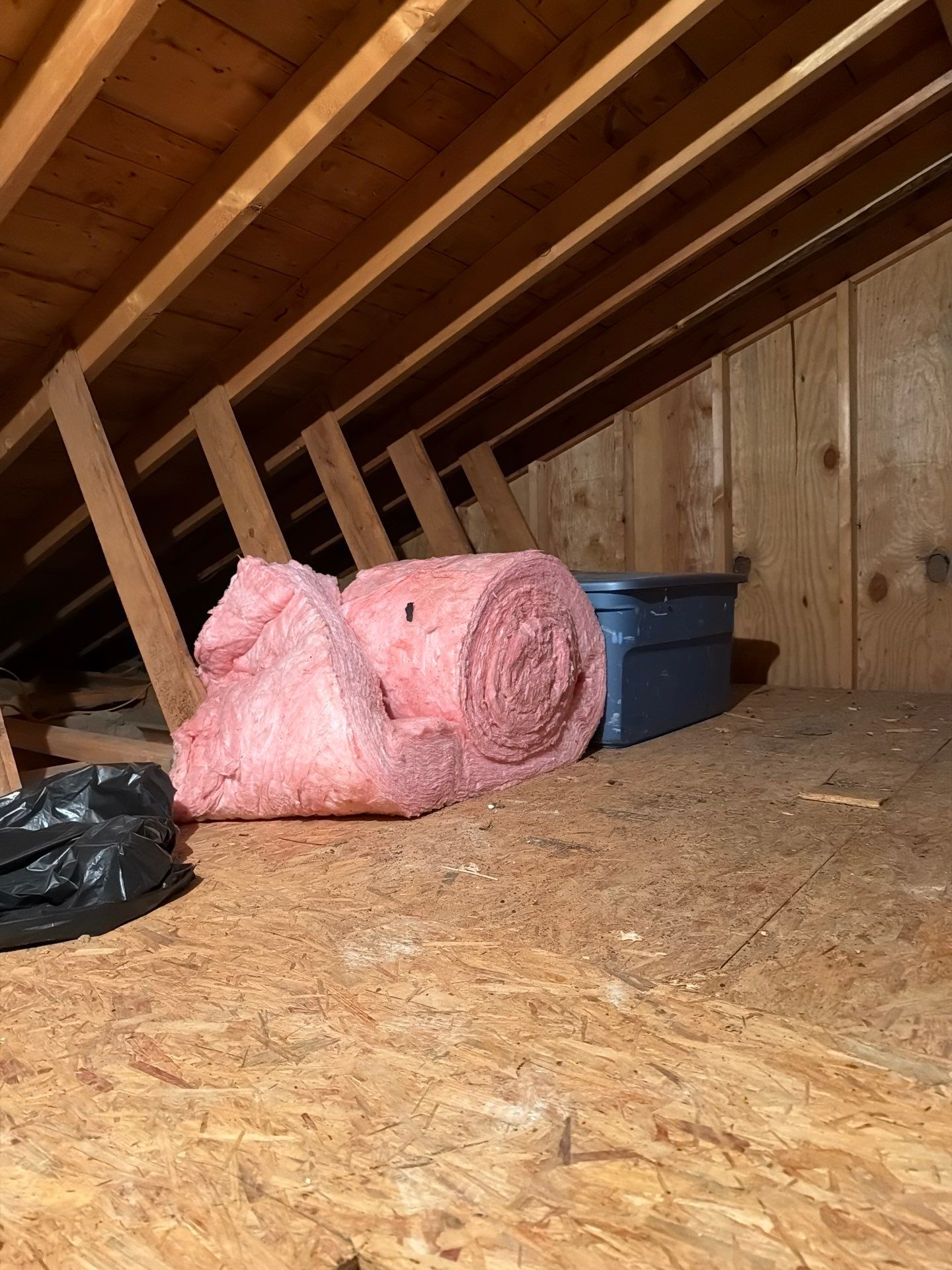
Fiberglass remains a common insulation choice in residential attics. It can come in batts or other forms depending on the application. Batts work best when they fit the framing cavity correctly. That is why installation quality matters. Fiberglass may make sense for accessible attic areas where the framing layout suits batt installation, or it may form part of a larger insulation strategy. The existing attic should determine the method rather than choosing one material for every property.
How your home actually gets fixed right.
From the first estimate through continued support, each stage has an owner and a clear next step.
Free Estimate
A real person walks the property and provides an honest written estimate before anything is scheduled.
Plan, Permit, Prep
Permits, structural filings, materials and timelines are coordinated before work begins.
Build & Walk the Job
The team manages the work and keeps you updated through completion and walkthrough.
Still Here After
Wize remains accountable after the job is done, including service support beyond the original warranty when needed.
Spray Foam Insulation
Spray foam works differently from loose or batt insulation because certain applications can provide both insulation and air-sealing benefits. That can make it useful in specific attic designs. More expensive does not automatically mean more appropriate. A conventional vented attic may perform well with air sealing and correctly installed blown-in or fiberglass insulation. Another property may justify a spray foam approach. Wize Home Services currently lists spray foam as one of its insulation services. The attic configuration should decide which method earns the investment.
Uneven Rooms Can Point Upward
One bedroom that stays hot does not automatically prove the attic needs more insulation. Still, temperature differences can provide a useful clue. A room receiving afternoon sun can run warmer even when attic insulation is adequate. Before blaming the HVAC system, compare the attic coverage above uncomfortable rooms with areas that perform better. A visible insulation gap can sometimes explain why two neighboring spaces feel completely different. That kind of targeted inspection is more useful than adding equal amounts everywhere without first identifying the weak area.
Attic Hatches Deserve Attention Too
The attic access may be one of the least insulated sections of the entire ceiling. Pull-down stairs, simple panels, and poorly sealed hatches can allow air movement and heat transfer between the living space and attic. Homeowners may notice this as a particularly warm or cold area beneath the opening. The access still needs to function properly. That means any added insulation or sealing method should preserve safe operation and required clearances. An attic insulation plan should include the opening rather than stopping at its edges.
Ventilation and Insulation Need to Coexist
Traditional vented attics rely on airflow through designated roof or soffit ventilation paths. Adding insulation carelessly can block those paths. Soffit vents are especially vulnerable when loose insulation moves toward the eaves. Insulation should resist unwanted heat transfer while the attic design still manages moisture correctly. Wize notes warm summers, humidity, and seasonal temperature changes as relevant conditions around Hickory and surrounding Western North Carolina homes. The correct balance depends on the type of attic. A vented attic and a conditioned attic should not be treated as the same system.
The proof is in the projects.
Use actual Wize work here to show the full range: roofs, siding, windows, decks, interiors and larger whole-property projects.
Why North Carolina homeowners trust Wize.
An A+ BBB rating and 50+ years of combined industry experience tell part of the story. The rest comes from homeowners who remember that Wize answered the phone, kept them informed, respected their property and followed through.


Wet Insulation Needs an Explanation
Insulation should not be buried under new material if it is wet. The moisture source needs to be found first. Roof leaks can wet attic insulation from above. Condensation can develop when warm, moist air reaches a colder surface. Bathroom exhaust fans terminating incorrectly in the attic can also add substantial moisture. The response depends on the cause.
A roofing repair does not correct indoor air leaking into the attic. Likewise, adding ventilation alone will not repair an active roof leak. Damaged insulation may also need replacement after the moisture issue is corrected. If staining, wet material, mold-like growth, or damp roof decking appears during an attic inspection, the project should address why it happened before improving R-value.

Why Choose Wize Home Services
Several Insulation Methods Are Available
Wize Home Services currently provides attic insulation using blown-in, fiberglass, and spray foam options. This allows the attic condition and design to influence material selection instead of forcing one installation method everywhere.
Attic Problems Can Connect With Roofing
Wet insulation, roof leaks, ventilation, and roof-deck conditions can overlap. Wize Home Services also performs roofing work, which can be useful when insulation concerns point toward conditions above the attic floor.
Coverage Gets Considered With Comfort
The reason for adding insulation is not simply to reach a deeper layer. Missing areas, attic access points, compressed material, and uneven coverage can help explain why specific rooms perform differently.
Finished Home Improvements Can Be Reviewed
Homeowners planning insulation alongside roofing, windows, or larger renovation work can review Past Work before discussing their own project.
Full home remodeling across Western North Carolina.
One Wize standard follows the team across Western North Carolina, with select coverage into South Carolina.
Catawba County
Western North Carolina
Charlotte / Mecklenburg
Charlotte · Huntersville · Matthews · Davidson + more
Asheville / Buncombe
Asheville · Arden · Black Mountain · Weaverville + more
Winston-Salem / Forsyth
Boone / High Country
Boone · Blowing Rock · Banner Elk · West Jefferson + more
South Carolina
Fort Mill · Rock Hill · Long Creek
Frequently Asked Questions
1. How do I know if my attic needs more insulation?
Look for low or uneven insulation depth, exposed framing, missing areas, uncomfortable rooms below the attic, and large temperature differences across the house. The existing R-value and attic condition should be checked before deciding how much material to add.
2. Should attic air leaks be sealed before adding insulation?
Yes, where appropriate. Insulation slows heat movement but does not stop air flowing through gaps around penetrations and attic openings. Air sealing before adding insulation can improve the effectiveness of the completed attic system.
3. Can I add new insulation over old insulation?
Sometimes. Existing insulation may remain if it is dry, in acceptable condition, and compatible with the planned work. Wet, contaminated, damaged, or badly disturbed material may require removal or correction first.
4. Is spray foam always better than fiberglass or blown-in insulation?
No. Spray foam can provide useful insulation and air-sealing properties, but it also changes the attic assembly and costs more. Fiberglass or blown-in insulation may be a better fit for a conventional vented attic. The existing design should guide the choice.
5. Will new attic insulation fix every hot upstairs room?
Not necessarily. Poor insulation can contribute to uneven temperatures, but duct problems, window exposure, HVAC balance, air leakage, and solar heat can create similar symptoms. The uncomfortable room should be evaluated in context rather than assuming insulation is the only cause.
Fix the Weak Parts Above the Ceiling
Attic insulation works quietly. You should not have to think about it every day. But when rooms never feel right, the upstairs gets harder to control, or existing insulation looks thin and uneven, the attic deserves a closer look. Find the gaps. Check the moisture. Understand the air movement. Then add the insulation that the house actually needs. Wize Home Services can help build that plan from the attic down instead of guessing from the thermostat.